
Discover the Legacy of India’s Greatest Conservationist at Corbett Museum
When planning a trip to Jim Corbett National Park, most visitors focus solely on tiger safaris and wildlife spotting. However, nestled in the serene village of Kaladhungi lies a hidden treasure that offers profound insights into the life of the legendary hunter-turned-conservationist who gave his name to India’s first national park. The Corbett Museum stands as a remarkable testament to Jim Corbett’s extraordinary journey and his pivotal role in wildlife conservation.
What Makes Corbett Museum a Must-Visit Heritage Site?
The Corbett Museum, located in the quaint settlement of Kaladhungi near Ramnagar, was originally Jim Corbett’s winter residence and personal bungalow. This heritage property has been meticulously preserved to showcase the life, work, and personal belongings of the man who transformed from a celebrated British hunter into one of India’s most influential wildlife conservationists.
The property originally comprised 89 hectares of land, which Jim Corbett distributed to local villagers when the British left India in 1947. This act of generosity reflects the deep connection Corbett had with the local communities and his commitment to their welfare.
Today, the museum serves multiple purposes: it honors Corbett’s conservation legacy, educates visitors about wildlife preservation, and provides a glimpse into colonial-era India through the lens of one of its most fascinating personalities.
Jim Corbett: From Hunter to Conservationist
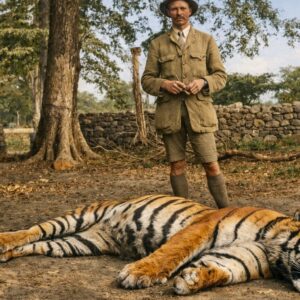
Edward James Corbett, popularly known as Jim Corbett, wielded significant influence on wildlife preservation, which is why India’s first National Park was named in his honor. His transformation from a skilled hunter, frequently called upon to eliminate man-eating tigers and leopards, to a passionate advocate for wildlife protection represents one of the most remarkable personal evolutions in conservation history.
Beyond his conservation work, Jim Corbett participated in both world wars, adding another dimension to his already multifaceted personality. The museum chronicles these major life events, offering visitors a comprehensive understanding of the man whose vision helped establish the foundation for wildlife conservation in India.
What Can You See at Corbett Museum?
Personal Belongings and Artifacts
The museum displays numerous personal items including Jim Corbett’s shooting attire, gun, cap, satchel, letters, photographs, and manuscripts. These artifacts provide intimate glimpses into his daily life and the era in which he lived. Each item tells a story, from the worn leather satchel he carried on hunting expeditions to the handwritten letters that reveal his thoughts on conservation and local development.
Artistic Works and Creative Pursuits
Jim Corbett was remarkably talented in multiple disciplines. The museum showcases his artwork including sketches, paintings, handmade wooden furniture, published books, and photographs. Visitors are often surprised to discover that Corbett was not only a hunter and conservationist but also an accomplished painter, writer, carpenter, and photographer.
His artistic sensitivity perhaps contributed to his eventual transformation into a conservationist, as his paintings and writings reveal a deep appreciation for the natural world’s beauty and complexity.
Hunting Memories and Conservation Message
The museum displays memories from Corbett’s significant hunts, showcasing his legendary shooting skills and his reputation across the subcontinent for dealing with dangerous man-eating tigers and leopards. However, these exhibits are presented not to glorify hunting but to illustrate the context of his times and the evolution of his thinking toward conservation.
The Museum’s Architecture and Ambiance
The museum is a delightful structure featuring white exterior walls set against lush green premises. The well-maintained garden with manicured grass and large trees creates a soothing environment, making visitors comfortable for their stroll through the museum.
This peaceful setting provides the perfect backdrop for reflection on Corbett’s life and the importance of wildlife conservation. The architectural style represents typical colonial bungalows of that era, transporting visitors back in time.
Location and How to Reach Corbett Museum
The museum is situated in Kaladhungi, approximately 30 kilometers from Ramnagar town. For visitors coming from Nainital, the museum is easily accessible via the Khurtpal route, making it an ideal stopover for tourists exploring the Corbett Tiger Reserve or nearby hill stations.
The strategic location allows visitors to combine their wildlife safari experience with this cultural and historical excursion, enriching their overall Corbett experience.
Best Time to Visit Corbett Museum
The museum is best visited during November to March when the weather in the Kumaon hills is pleasant. These months offer comfortable temperatures for exploring both the museum and the surrounding natural beauty of the region.
The museum operates from 7:00 AM to 6:00 PM and remains closed only on the day of Holi. This year-round accessibility ensures that visitors can include the museum in their itinerary regardless of their travel dates, though checking for any seasonal variations or special closures is always advisable.
Why Visit Corbett Museum During Your Jim Corbett Trip?
While jungle safaris offer thrilling wildlife encounters, the Corbett Museum provides crucial context for understanding the conservation philosophy that shapes the national park today. The museum helps visitors appreciate:
1. Historical Context: Understanding how wildlife conservation evolved in India
2. Personal Connection: Seeing the human side of Jim Corbett beyond his legendary status
3. Educational Value: Learning about the biodiversity and conservation challenges of the region
4. Cultural Heritage: Experiencing a well-preserved example of colonial architecture and lifestyle
5. Inspiration: Drawing motivation from one person’s ability to influence conservation policy
The museum aims to raise public awareness about wildlife conservation, commemorate the biodiversity of Corbett Tiger Reserve, advocate for responsible tourism, and function as a research and educational center.
Planning Your Visit to Corbett Museum
When planning your visit, allocate at least 1-2 hours to fully explore the museum and its surrounding gardens. The peaceful environment encourages leisurely exploration and contemplation. Photography is generally allowed, making it possible to capture memories of this heritage site.
Consider combining your museum visit with other nearby attractions such as the Garjia Temple, Corbett Waterfall, or various safari zones in Jim Corbett National Park. Many visitors find that visiting the museum either at the beginning or end of their Corbett trip enhances their overall appreciation of the region.
The museum also offers opportunities to purchase handcrafted rural items and handicrafts featuring tiger and wildlife imagery, providing meaningful souvenirs that support local artisans.
Conclusion: A Window into Conservation History
The Corbett Museum transcends its role as a simple tourist attraction. It stands as a powerful reminder of how individual dedication and vision can create lasting impact on wildlife conservation. For anyone visiting Jim Corbett National Park, spending time at this heritage bungalow provides essential context that enriches the entire Corbett experience.
The museum provides not only profound understanding of the Tiger Reserve’s history and biodiversity but also instills a deeper sense of stewardship and reverence for the natural world. In an era where conservation challenges continue to mount, Jim Corbett’s legacy offers both inspiration and practical lessons for protecting our planet’s precious wildlife. Make the Corbett Museum an essential part of your Jim Corbett itinerary, and discover why this remarkable man’s vision continues to shape wildlife conservation in India and beyond.
FAQ
The Corbett Museum is open daily from 7:00 AM to 6:00 PM throughout the year, except on Holi. Entry fees are nominal, though visitors should check the current rates before planning their visit as they may be subject to change.
The museum is located in Kaladhungi village, approximately 30 kilometers from Ramnagar town. It’s easily accessible by road and can be reached within 45 minutes to an hour from Ramnagar, making it a convenient addition to any Corbett National Park itinerary.
Generally, photography is permitted in most areas of the museum, though visitors should respect any specific restrictions posted in certain sections. It’s advisable to check with museum staff upon arrival for the latest photography guidelines.
The ideal time to visit is between November and March when the weather in Uttarakhand’s Kumaon region is pleasant with moderate temperatures. However, since the museum is open year-round (except Holi), visitors can plan their trip according to their Jim Corbett National Park safari schedules.
Plan to spend 1-2 hours exploring the museum thoroughly. This allows adequate time to view all exhibits, read about Jim Corbett’s life and work, and enjoy a peaceful walk through the museum’s beautiful gardens.
Absolutely! The museum offers excellent educational value for children and families, helping younger visitors understand wildlife conservation, India’s natural heritage, and the fascinating life of Jim Corbett. The well-maintained gardens also provide a pleasant environment for families.
Unlike typical museums, the Corbett Museum is housed in Jim Corbett’s actual winter residence, offering authentic insights into his life. The collection of personal belongings, hunting gear, artwork, and manuscripts provides a unique, intimate perspective on the man who pioneered wildlife conservation in India.
Basic visitor facilities including parking are available at the museum. However, food options are limited in the immediate vicinity, so visitors may want to plan accordingly. Kaladhungi village has some local eateries, and Ramnagar offers more comprehensive dining options.
Yes, many visitors successfully combine a museum visit with jungle safaris. Morning safaris (6:00 AM – 11:00 AM) can be followed by a museum visit, or you can visit the museum in the morning and take an afternoon safari. Proper planning helps maximize your Corbett experience.
Jim Corbett (1875-1955) was a British hunter who became a pioneering conservationist. He played a crucial role in establishing India’s first national park (originally Hailey National Park, later renamed Jim Corbett National Park). He authored several books about his experiences with wildlife and man-eating tigers, and his conservation advocacy helped shape India’s wildlife protection policies.