Flora and Fauna of Jim Corbett National Park
Animals, Birds & Wildlife Guide
Jim Corbett National Park is one of India’s richest wildlife destinations, known for its remarkable biodiversity, dense forests, and diverse ecosystems. Located in the foothills of the Himalayas in Uttarakhand, the park is home to a wide variety of plant species, mammals, reptiles, and more than 600 species of birds.
Apart from being famous for the Royal Bengal Tiger, Jim Corbett offers an incredible opportunity to explore nature in its purest form. Understanding the flora and fauna of Jim Corbett National Park helps visitors appreciate the ecological importance of the region and enhances the overall safari experience.
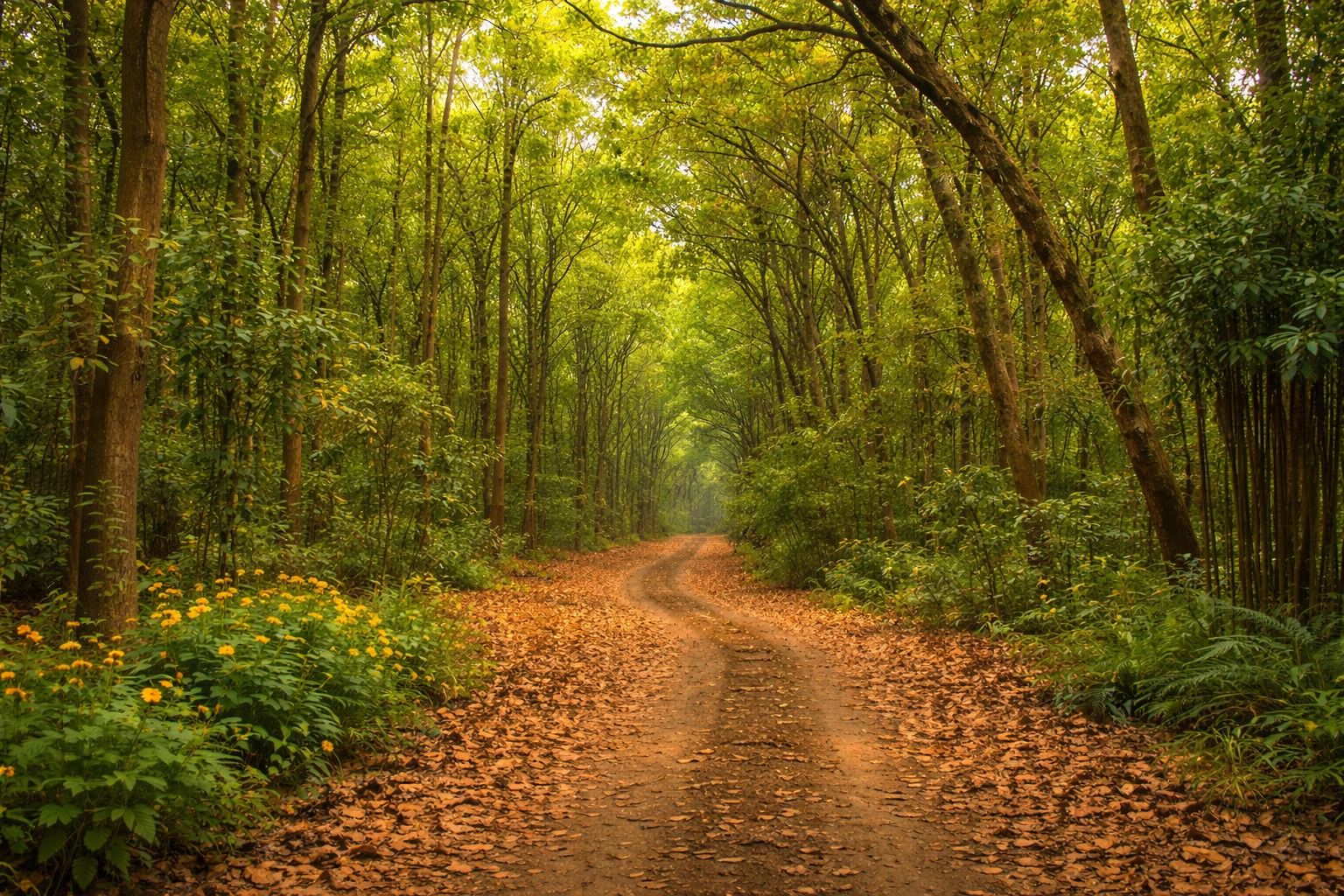
Flora of Jim Corbett National Park
The vegetation of Jim Corbett National Park is highly diverse due to variations in altitude, climate, soil composition, and water sources. The park landscape includes hills, river belts, grasslands, and dense forests, creating multiple natural habitats that support wildlife.
The major types of vegetation found in Jim Corbett include:
1. Sal Forests
Sal trees dominate a significant portion of the park area. These dense forests provide food and shelter to herbivores such as deer and elephants. Sal forests also play an essential role in maintaining ecological balance by preserving soil moisture and supporting numerous bird species.
2. Riverine Forests
Riverine forests grow along rivers and water bodies, especially near the Ramganga River. These forests include tree species such as Khair, Sissoo, and Jamun. Due to constant water availability, these areas attract animals throughout the year and are considered prime wildlife viewing zones during safari tours.
3. Grasslands (Chaurs)
Grasslands, locally known as chaurs, are open meadows that serve as grazing grounds for herbivores like deer and elephants. These open landscapes increase the chances of predator sightings because animals often come here to feed, making them excellent locations for wildlife photography.
4. Mixed Forest Vegetation
Apart from Sal trees, the park also contains Haldu, Peepal, Rohini, Mango, Neem, Bamboo, and various shrubs. This diverse vegetation supports insects, birds, reptiles, and mammals, forming a balanced food chain within the ecosystem.
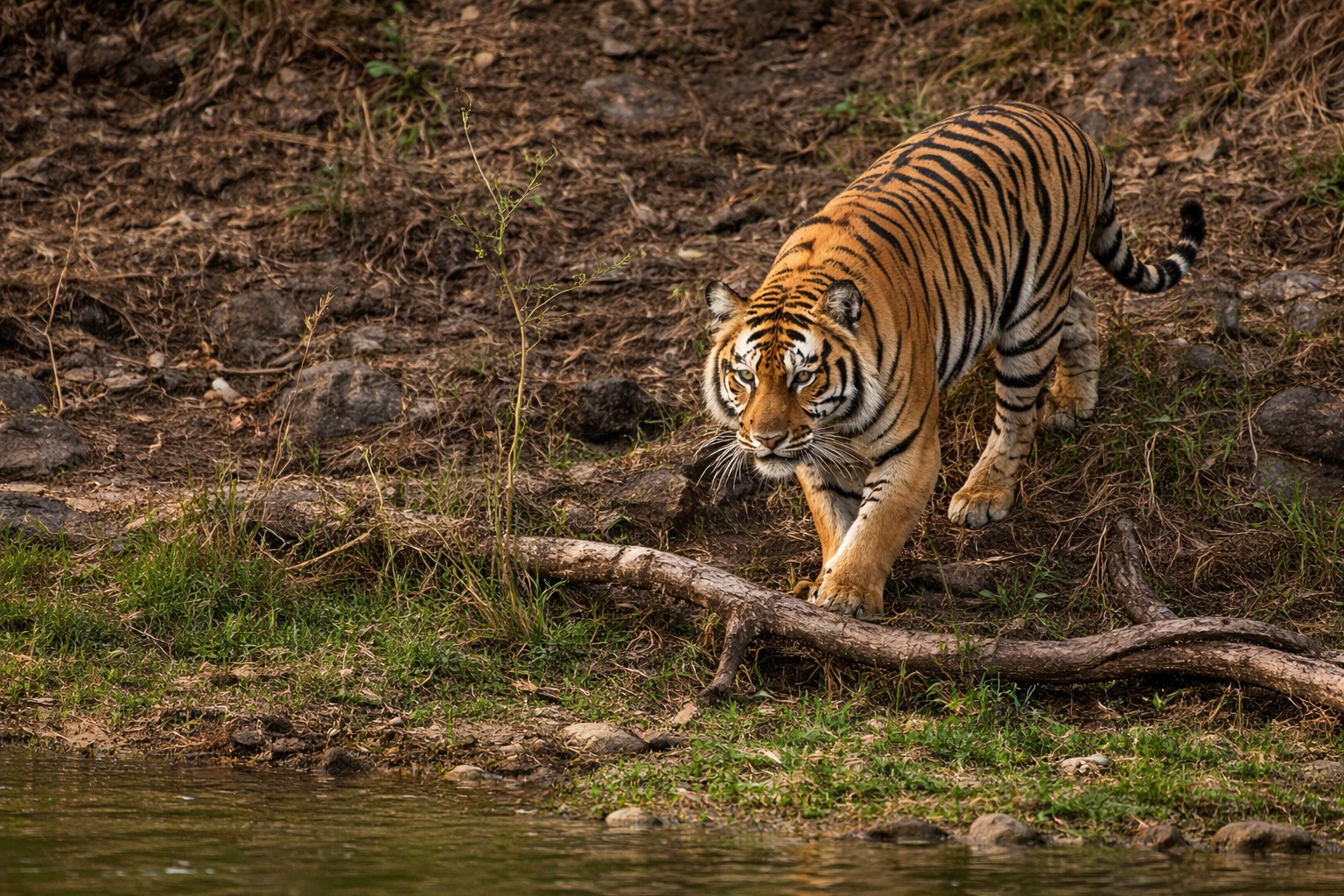
Fauna of Jim Corbett National Park
The fauna of Jim Corbett National Park is extremely rich and includes mammals, birds, reptiles, amphibians, and aquatic animals. The park plays a major role in wildlife conservation and is part of India’s famous tiger conservation initiative.
Major wildlife categories found in the park include:
- Mammals
- Birds
- Reptiles
- Aquatic Species
Animals Found in Jim Corbett National Park
Jim Corbett is home to more than 50 species of mammals, making it one of the best wildlife destinations in India.
1. Bengal Tiger
The Royal Bengal Tiger is the most iconic animal of the park. Jim Corbett has one of the highest tiger populations in India, making it a prime destination for tiger sightings and wildlife safaris.
2. Asian Elephant
Large herds of wild elephants roam freely across grasslands and forests. Elephant sightings are common, especially near river zones and open meadows.
3. Leopard
Leopards are present in good numbers but are difficult to spot due to their nocturnal and secretive behavior. They usually inhabit dense forest areas and hilly terrain.
4. Deer Species
Several deer species form the primary prey base for predators:
- Spotted Deer (Chital)
- Sambar Deer
- Barking Deer
- Hog Deer
5. Sloth Bear
Sloth bears are occasionally seen searching for insects, fruits, and honey in forest areas.
6. Wild Boar
Wild boars are commonly spotted across the park and play an important role in maintaining ecological balance.
7. Gharial and Mugger Crocodile
River ecosystems support reptiles like gharials and crocodiles, especially in the Ramganga River region.
Other mammals include jackals, otters, langurs, rhesus monkeys, jungle cats, and foxes.
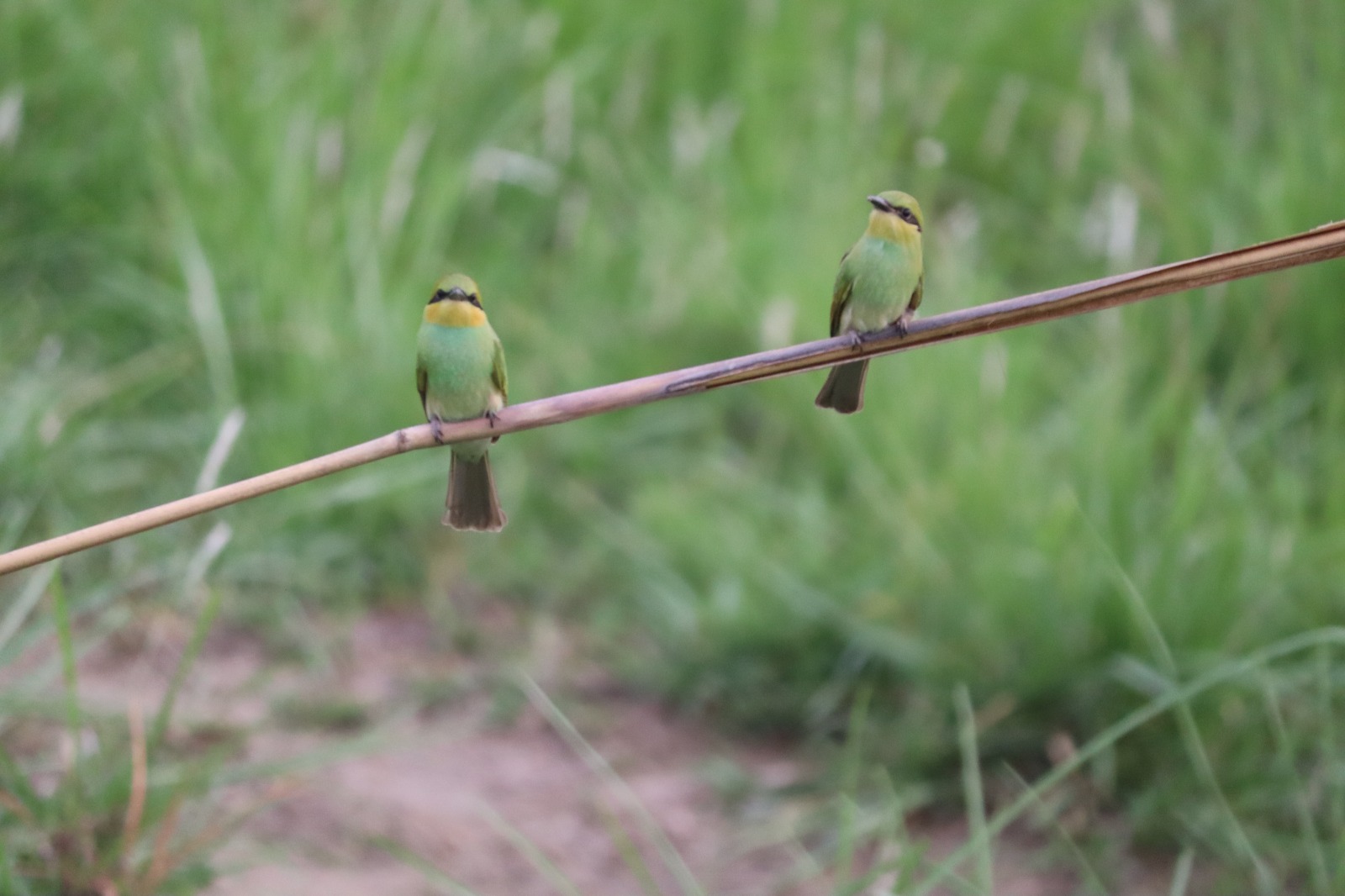
Birds in Jim Corbett National Park
Jim Corbett is considered one of the best birdwatching destinations in Asia, with more than 600 species of birds recorded in the region. The park attracts both resident and migratory birds, making it a paradise for bird lovers and photographers.
The major bird categories include:
Birds of Prey
- Crested Serpent Eagle
- Changeable Hawk Eagle
- Himalayan Griffon
Colorful Forest Birds
- Indian Pitta
- Kingfishers
- Parakeets
- Minivets
Water Birds
- Herons
- Egrets
- Cormorants
- Ducks
Iconic Bird Species
The Great Hornbill is one of the most famous and visually striking birds found in the park. Winter months are particularly ideal for birdwatching because migratory birds arrive during this season.
Reptiles and Aquatic Life in Jim Corbett
The park also supports a wide range of reptiles and aquatic species, including:
- King Cobra
- Python
- Monitor Lizard
- Freshwater Fish
- Turtles
The Ramganga River ecosystem plays a crucial role in sustaining aquatic biodiversity and maintaining ecological balance.
Flora and Fauna Speciality of Jim Corbett.
Jim Corbett National Park stands out because of its unique combination of Himalayan foothill ecosystems, dense forests, grasslands, and river systems. This diversity creates ideal conditions for wildlife survival and makes the park one of the most successful conservation areas in India.
The park was also the first reserve under India’s tiger conservation program, which significantly contributed to increasing tiger populations across the country.
Frequently Asked Questions
How many animal species are found in Jim Corbett National Park?
More than 50 species of mammals, 600 bird species, and numerous reptiles and aquatic animals are found in the park.
Which animal is most famous in Jim Corbett?
The Royal Bengal Tiger is the most famous animal and the main attraction for visitors.
How many bird species are found in Jim Corbett?
Over 600 species of birds have been recorded, making it a major birdwatching destination.
What type of vegetation is found in Jim Corbett?
The park mainly includes Sal forests, riverine forests, grasslands, and mixed vegetation.