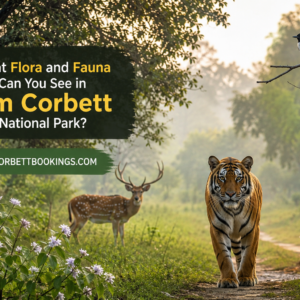

India’s oldest national park somehow still carries this heaviness, like other newer wildlife places just can’t match it. It was set up in 1936, and covers about 520 square kilometres in the Nainital district of Uttarakhand. Jim Corbett National Park was basically the early birthplace of Project Tiger in India and honestly it remains one of the biggest success tales. Inside, you find over 160 Bengal tigers , plus Asian elephants, leopards, and also more than 600 kinds of birds. So it is not only about a jeep safari, it offers far more than that, in a way that feels different.
If you are planning a visit and wondering what all this park actually has to offer, here is a complete guide to the top attractions to Visit in Corbett National Park.
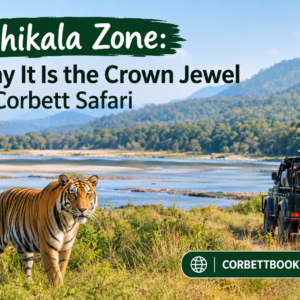
Dhikala Zone — The Crown Jewel of Corbett
No matter where you start, any real list of Corbett attractions sort of begins with Dhikala only. It’s way in the inside of the park’s core zone, around 40 km from Dhangarhi Gate, and Dhikala is placed right at the edge of the big Patil Dun valley, where the Ramganga River fans out into a few separate channels. The whole scene here feels different, like nothing else in the reserve— wide open grasslands, a large reservoir too, forested ridgelines, and even one of the highest densities of Bengal tigers inside the entire area.
What makes Dhikala really special is the ability to stay overnight at Dhikala Forest Lodge — it’s one of the rare places in India where you can spend the night within a tiger reserve core zone. You wake before dawn to the jungle sounds, and then you step into a morning safari without having driven for hours out from some town . Wildlife lovers say this kind of thing becomes a turning point in how they see nature, you know.
Bookings for Dhikala are competitive and they fill up fast , so it’s strongly advised to plan ahead via corbettbookings.com.
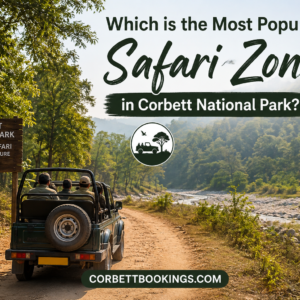
Bijrani Zone — Best Bet for Tiger Sightings from Ramnagar
Bijrani Zone is the top choice for visitors staying in or near Ramnagar who want the best chance of spotting a tiger. The entry point is Amdanda Gate, just a few kilometres from Ramnagar town, making early morning safari departures far less stressful. The terrain here is a rich combination of dense Sal forest, open grasslands, and seasonal streams that attract wildlife consistently.
Tiger sightings in Bijrani are among the most reliable in the entire park. For first-time visitors to Corbett who want maximum wildlife action, Bijrani is the right starting point.
Jhirna Zone — Open All Year Round
Most core zones inside Corbett close during the monsoon season, but Jhirna Zone remains open throughout the year, making it invaluable for visitors travelling between July and September. Located in the southern part of the park, Jhirna has a thicker, denser, wilder in feel than the more frequented northern zones.
Tiger sightings happen here, particularly at night when tigers visit the Forest Rest House area. The zone also has a significant elephant population, reliable sloth bear sightings, and abundant spotted deer. The Forest Rest House at Jhirna is bookable for overnight stays, giving this zone an added dimension for serious wildlife enthusiasts.
Garjia Devi Temple — Spiritual Pause on the Banks of the Kosi
About 14 km from Ramnagar toward Ranikhet, Garjia Devi Temple a top a large rock formation rising from the middle of the Kosi River. Dedicated to Goddess Garjia Devi — considered an incarnation of Goddess Parvati and daughter of the Himalayas — the temple is reached by climbing roughly 70 steps after crossing a bridge to the river island.
The whole place is , honestly , really beautiful. The river on every side, the tree covered hills behind, and the temple sitting above give you this sense like the moment is cut loose from everything else. The temple itself runs from 6:00 AM to 12:00 PM, then again 4:00 PM to 8:00 PM. Try not to go in monsoon months, because the region tends to flood , even with a small change in weather.
Corbett Museum, Kaladhungi — Where It All Began
Approximately 26–32 km from Ramnagar, in the small town of Kaladhungi, stands the ancestral home of Jim Corbett — the legendary hunter-turned-conservationist after whom this entire reserve is named. The bungalow has been converted into a museum that preserves his personal belongings including hunting weapons, fishing nets, photographs, manuscripts, letters, and antiques.
Jim Corbett spent his winters in this property and wrote his most famous work, Man-Eaters of Kumaon, here. Walking through the museum is not just a history lesson — it is a reminder of how one man’s profound transformation from hunter to protector shaped India’s entire approach to wildlife conservation.
Sitabani Forest Reserve — Quiet Trails Without a Permit
The Sitabani Forest Reserve is a buffer zone that offers something the core zones do not — you can walk here. No permit is required for entry, making it a wonderfully accessible option for visitors who want to experience the Corbett forest at a slower pace.
Sitabani is particularly popular among birdwatchers. The forest is home to over 200 bird species, and the Sitabani Temple tucked within the trees — dedicated to Goddess Sita of the Ramayana — adds a quiet spiritual dimension to a forest walk.
Corbett Waterfall — A Refreshing Natural Detour
Located about 25 km from Ramnagar off the Kaladhungi road, the Corbett Waterfall drops approximately 20 metres through dense teak forest into a rocky pool below. A scenic 1.5 km forest trail connects the parking area to the waterfall, offering visitors a peaceful walk surrounded by chirping birds, colorful butterflies, and the refreshing scent of the forest.
Swimming is not permitted, but the setting is ideal for a picnic, relaxed photography, or simply sitting and listening to the water. The waterfall is at its most spectacular during and immediately after the monsoon season. It is a highly recommended add-on for visitors who want to round out their Corbett itinerary beyond the safari zones.
Birdwatching — 600 Species and Counting
Corbett National Park is one of the finest birdwatching destinations in South Asia. With over 600 documented species, the park is a paradise for birders at any level. Key species include the Crested Serpent Eagle, Great Hornbill, Pallas’s Fish Eagle, various kingfishers, woodpeckers, and numerous migratory birds that arrive between November and February.
The best birding spots within and around the park are the Ramganga reservoir in the Dhikala zone, the Kosi Barrage near Ramnagar, and the Sitabani Forest Reserve. Early mornings between 5:30 AM and 8:00 AM offer the richest sightings. Binoculars and a field guide to Indian birds are essential companions.
River Rafting on the Kosi
While rafting is not permitted inside the national park itself, the Kosi River near Ramnagar and Garjiya offers mild to moderate Grade I–II rapids that are perfect for families and first-time rafters. Sessions typically run for 20 to 30 minutes, are supervised by certified guides with full safety equipment, and offer a scenic ride through forested riverbanks that border the park. It is a well-loved activity to pair with a morning safari for a full-day Corbett experience.
How to Book Your Corbett Safari
All core zone safaris in Jim Corbett National Park — including Dhikala, Bijrani, and Jhirna — require advance booking. Indian nationals can book up to 45 days before the safari date. Slots at popular zones like Dhikala and Bijrani fill within hours of opening, especially during peak season between October and June.
For reliable, straightforward Corbett Safari Booking, travelers can easily reserve safari permits, accommodation, and guided tour packages through a trusted platform, making the entire Corbett trip planning process simple and hassle-free.
FAQs
The top attractions include Dhikala Zone, Bijrani Zone, Jhirna Zone, Garjia Devi Temple, Corbett Museum at Kaladhungi, Sitabani Forest Reserve, Corbett Waterfall, birdwatching across the reserve, and river rafting on the Kosi River near Ramnagar.
Dhikala Zone and Bijrani Zone offer the highest probability of tiger sightings. Dhikala is best for an immersive overnight experience, while Bijrani is ideal for day visitors staying near Ramnagar.
Yes. Dhikala Forest Lodge inside the Dhikala Zone and the Forest Rest House at Jhirna both permit overnight stays. These are among the most sought-after wildlife stay experiences in India and must be booked well in advance.
Garjia Devi Temple is approximately 14 km from Ramnagar on the Ranikhet road. It is a convenient stop before or after a safari or as part of a Corbett sightseeing day.
Rafting is not permitted inside the park. However, the Kosi River near Ramnagar and Garjiya offers Grade I–II rafting on designated stretches outside the park boundaries.
Conclusion
Jim Corbett National Park is one of those destinations that stay with you long after you have left, honestly it sort of follows. Whether you spent your morning watching a tiger emerge from the Sal forest around Bijrani, stood quietly at the Garjia Devi Temple listening to the Kosi River below, or simply sat at Dhikala while the whole valley came alive at dawn—every single moment here feels earned and unforgettable, kind of in a calm way. The park seems to reward people who plan well , and turn up with curiosity instead of rushing. Beyond the safari there’s also the layered history, the bright birdlife, the waterfalls, and the forest walks all put together into something larger than one quick visit, even if you think it’s “just” a trip.