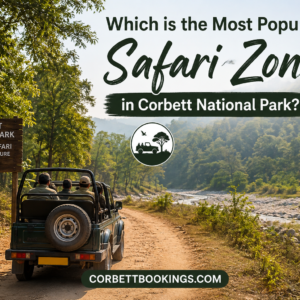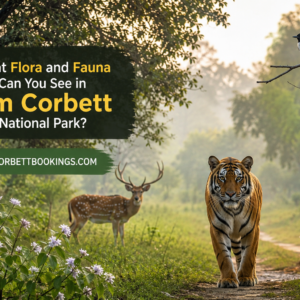

Jim Corbett National Park is India’s oldest wildlife sanctuary, nestled in the Himalayan foothills of Uttarakhand. Founded in 1936, it became the first reserve under Project Tiger in 1973 and today attracts thousands of wildlife lovers every year. But here is something many first-time visitors get wrong — you cannot simply show up at any gate and expect to enter. The park is divided into distinct safari zones, each with its own entry gate, seasonal access, and wildlife character.
Understanding these zones before you book is not just helpful — it is essential.
Why Safari Zones Matter
Jim Corbett National Park spans over 1,300 square kilometres. Inside this vast landscape, different zones offer dramatically different experiences. Some are grassland-heavy with open sightlines perfect for spotting big cats. Others are thick forested belts ideal for bird photography or elephant watching. Your safari permit is zone-specific, meaning the gate you enter determines the entire experience. You cannot switch zones mid-safari.
Ramnagar serves as the main base town for most visitors, and almost all entry gates are measured from here.
All Corbett Safari Zones and Their Entry Gates
1. Dhikala Zone — Dhangarhi Gate (18 km from Ramnagar)
Dhikala Zone is kind of widely regarded as the crown jewel of Corbett safaris. It sits deep in the core area of the reserve, so this zone comes with sweeping grasslands known as “chaurs” , riverine corridors near the Ramganga reservoir , and thick sal forests. Since the terrain is more open, wildlife visibility ends up being much better compared with most other zones.
Wildlife here includes Royal Bengal Tigers, Asiatic elephants, spotted deer, hog deer, crocodiles and over 600 species of birds, so it’s pretty striking. Dhikala is kinda the only zone in Corbett where canter safaris operate, which makes it easier for bigger groups, without needing overnight stays. Still, if you want a private jeep safari then you have to book an overnight stay at the Dhikala Forest Lodge— the slots are extremely limited.
Open season: Mid-November to mid-June. This zone remains closed during the monsoon.
Tip: Book months in advance. Permits sell out quickly, especially for weekends and peak summer months.
2. Bijrani Zone — Amdanda Gate (3 km from Ramnagar)
Bijrani Zone is the most easily accessible safari zone in Corbett, located just 1 km from Ramnagar town. You get this mixed kind of scenery, with open grasslands, sal forests, and little forest streams, so it becomes a pretty ideal habitat for big cats. In the past it has shown consistent tiger movement, and you can also see leopards quite often, along with sloth bears, elephants, and spotted deer.
Since it stands right on the edge of the core zone, Bijrani gives this strong tradeoff, between how easy it is to reach and the wildlife density. For that reason it’s usually the first suggestion for visitors doing short trips, or even just day visits .
Open season: 1st October to 30th June.
3. Jhirna Zone — Dhela Gate (approximately 25 km from Ramnagar)
Jhirna Zone is unique for one powerful reason — it remains open throughout the year, including during the monsoon months of July, August, and September. If you are planning a Corbett visit when most zones are shut, Jhirna is your go-to.
The landscape is largely dry deciduous with expansive grasslands, including the famous Laldhang Chaur. Wildlife sightings include tigers, leopards, sloth bears, spotted deer, nilgai, wild elephants, and various reptiles. Summer months improve sighting probability here as animals converge near water sources.
Open season: Year-round.
4. Dhela Zone — Dhela Gate (approximately 14 km from Ramnagar)
Opened to visitors in December 2014, Dhela Zone is the newest eco tourism zone, in the Corbett Tiger Reserve kind of. Covering over 1,000 hectares, it is spread with forest growth of sal, haldu, bahera, and kusum trees, all pretty much blanket like. Even though it’s newer, it still holds a sturdy and healthy population of Bengal tigers, leopards, Asiatic elephants, sloth bears and the King cobra too.
Dhela feels a bit like a paradise for bird watchers and people looking for a quieter, less crowded jungle experience. Just like Jhirna, it also stays open throughout the year, without any real pause.
Open season: Year-round.
5. Durga Devi Zone — Durga Devi Gate (28 km from Ramnagar)
In the northeastern corner of the reserve, you’ll find the Durga Devi Zone, it feels a bit less packed, and to be honest also kinda the more picturesque stretch. The Ramganga and Mandal rivers run right through here, so the whole area becomes a rich floodplain type of habitat. Because of that, it stands out for seeing wild otters , mahseer fish and a really big, almost impressive selection of migratory as well as local birds.
People who are more into bird photography than tiger sightings tend to choose this zone. The hilly country, plus those river crossings, and the dense forest canopy , all together give you a mood that’s different from the rest of Corbett, almost like you’re in another pocket of wilderness.
Open season: 1st October to 30th June.
6. Sonanadi Zone — Vatanvasa Gate (accessible from Kotdwara via Dugadda)
Sonanadi Zone was originally part of the Kalagarh Forest Reserve before being included within the Corbett Tiger Reserve boundary in 1991. This zone is notable for a surprising reason — it is populated with several species of non-venomous snakes, making it unusual among Indian wildlife zones.
Beyond reptiles, the zone supports tigers, leopards, Himalayan black bears, Asiatic elephants, and the rare Albino Chital. Because it lies farther from the main tourist circuits and requires travel through Kotdwara, it attracts fewer visitors — which means a more undisturbed forest experience.
7. Sitabani Zone — Tedha Gate / Bhandarpani Gate / Pawalgarh Gate
Sitabani Zone is a reserve forest buffer zone attached to the Corbett Tiger Reserve area. It is popular among bird watchers, with frequent sightings of elephants, deer, and herbivores. The zone recently expanded with a new Kota entry point, allowing up to 30 jeeps at a time. Multiple hotels and resorts in the Pawalgarh and Bailpadao areas cater specifically to visitors choosing this zone.
8. Garjia Zone (Ringora Zone) — Garjiya Gate (9 km from Ramnagar)
Garjia is one of the most conveniently located newer zones in the Corbett Tiger Reserve, sitting just 9 kilometres from Ramnagar city. Also known as the Ringora Safari Zone, its landscape is a rich combination of dense sal forests, open chaurs, riverine grasslands, and the flowing Kosi River running alongside — a setting that naturally draws a wide variety of wildlife. Historically, this zone has recorded strong tiger movement, and it also supports frequent sightings of Asiatic elephants, spotted deer, wild boar, and diverse birdlife.
Because it covers buffer, tourism, and core sections within the same zone boundary, Garjia offers a layered wildlife experience that few other zones can match. It is often recommended for visitors who want an accessible yet rewarding safari without travelling far from Ramnagar.
9. Phato Zone — Phato Entry Gate, Maldhan (approximately 24–26 km from Ramnagar)
Phato is one of the newest and most exciting zones in the larger Corbett landscape, inaugurated in January 2022. It’s located close to Maldhan village, and it also shares that same unbroken forest ecosystem with the nearby Dhela Zone. The whole place feels defined by thick sal forest , dense jungle tracks, and little open grassland patches, plus there’s this big waterhole near the rest house which becomes a kind of natural rendezvous point for wildlife. Since opening, the zone has already logged pretty consistent tiger sightings, and it also brings frequent run-ins with leopards, Asian elephants, deer, and sloth bears.
Because it sits in a relatively undisturbed forest corridor with minimal human settlement nearby, Phato offers a raw and immersive jungle experience that feels genuinely off the beaten path. It is often the top recommendation for visitors who want a less-crowded safari with strong big cat sighting potential. Phato also holds the distinction of housing Jim Corbett’s first forest department tree house — a unique overnight option for nature lovers.
10. Hathi Dagar Zone — Hathi Dagar Gate, Maldhan (near Ramnagar–Kashipur NH 121)
Hathi Dagar is the newest eco tourism zone in the Corbett Tiger Reserve , it was inaugurated in March 2024. The name basically means “Elephant’s Path”, and somehow it earns that title because it works like a main movement corridor for elephant herds inside the reserve. The area covers about 35 sq km , and the whole place feels like a patchwork of sal, rohini, haldu, bahera, and kusum forests, mixed here and there with eucalyptus patches, plus winding forest streams. In terms of wildlife, the sightings have been pretty strong , you can spot Royal Bengal Tigers, leopards, Asiatic elephants, sloth bears, King cobras , and there’s also an exceptional variety of raptors, plus forest birds.
Hathi Dagar offers one of the most exclusive and crowd-free experiences available in any Corbett zone today. It is particularly recommended for wildlife photographers and bird watchers who value a quieter, more intimate encounter with the forest.
11. Bhandarpani Zone — Bhandarpani Gate, Kota Eco-Tourism Zone (Pawalgarh Conservation Reserve)
Bhandarpani kind of works as the entry point for the Kota Eco-Tourism Zone, which sits inside the Pawalgarh Conservation Reserve, near the Corbett Tiger Reserve. The area has this mix of landscapes, you get dense sal, haldu, bahera, and rohini forest together with open grasslands, and also natural water bodies that just blend in. The Sitabani Temple and a scenic river running through the buffer add a distinct character to this zone. Wildlife here includes Royal Bengal Tigers, leopards, Asiatic elephants, nilgai, multiple deer species, jackals, wild boar, reptiles, and a particularly impressive variety of birds that make it a favourite among birdwatching enthusiasts.
Because permits here are issued directly by the state forest department rather than through the Corbett Tiger Reserve online portal, Bhandarpani remains a practical and often available alternative when core zone permits are sold out. It is frequently recommended for visitors staying near Pawalgarh and Bailpadao, and for those who prioritise bird photography alongside general wildlife watching.
12. Mohaan Zone — Mohaan Gate (approximately 30 km from Ramnagar)
Mohaan is, kind of the most freshly opened and also the least talked-about zone inside the Corbett landscape, it was launched June 2024. It sits in the northwestern buffer side of the reserve, along the Kalagarh road, and the ground basically keeps changing. The zone itself is at a slightly higher elevation than a lot of the other Corbett areas, which gives those early morning safaris a cool misty feel that’s different, in this pocket of the reserve. In terms of sightings, you can run into Royal Bengal Tigers, leopards, big elephant herds, sambar, spotted deer, wild boar, plus a wide range of forest and riparian birds near the Kosi River.
Because of its distance from the main tourist belt and very low vehicle footfall, Mohaan offers the most undisturbed and intimate safari experience currently available in the Corbett Tiger Reserve area. It is strongly recommended for travellers who have already explored the popular zones and want a raw, crowd-free encounter with the jungle — particularly those interested in leopard sightings and riverside wildlife behaviour along the Kosi.
Which Zone Is Best for Tiger Sighting?
Based on wildlife tracking data and naturalist feedback, Dhikala consistently offers the highest probability of tiger sightings due to its vast prey base and open terrain. Bijrani Zone follows closely and is preferred for its easy access. Jhirna and Dhela are reliable alternatives, especially during summer months when tigers move towards water sources.
The best time for tiger sightings across all Corbett Safari Zones is April to June, when dry conditions reduce vegetation cover and animals concentrate around waterholes.
Safari Timings (General Reference)
Winter (October–February): Morning safari 6:30 AM – 9:30 AM / Evening safari 2:00 PM – 5:30 PM
Summer (March–June): Morning safari 5:45 AM – 9:15 AM / Evening safari 3:00 PM – 6:30 PM
Arrive at least 30 to 45 minutes before your scheduled safari time at the respective gate.
Booking Your Corbett Jungle Safari
Safari permits for all Corbett National Park safari zones are limited and should be booked well in advance, especially during weekends, holidays, and the peak tourist season. Popular zones like Bijrani, Dhikala, Jhirna, and Dhela often sell out quickly due to high visitor demand. Booking your Corbett safari in advance ensures you secure your preferred zone and safari slot without any last-minute inconvenience. Whether you want to explore the grasslands of Dhikala, enjoy tiger sightings in Bijrani Zone, experience year-round safaris in Jhirna Zone, or discover the rich biodiversity of Dhela, selecting the right safari zone and reserving your permit early will help you make the most of your Corbett National Park adventure.
FAQs
Dhikala Safari Zone is considered the best zone for tiger sightings due to its core forest location, open grasslands, and high prey density. Bijrani is a strong second choice with easier access from Ramnagar.
Jhirna Zone and Dhela safari zones remain open throughout the year, including the monsoon season (July to September).
The entry gate for Dhikala Zone is Dhangarhi Gate, located approximately 18 km from Ramnagar.
No. Your safari permit is specific to one zone and one entry gate. You cannot switch zones during a single safari.
A jeep (gypsy) safari allows up to 6 passengers and can enter most zones. A canter safari holds up to 20 passengers and operates exclusively in the Dhikala Zone.
Yes. Safari permits are limited per shift in every zone. Advance booking is strongly recommended, especially for Dhikala, Bijrani, and weekend slots.
Durga Devi Zone is known for wild elephants, otters, mahseer fish, and an exceptional variety of birds. The Ramganga and Mandal rivers running through the zone make it particularly rewarding for bird photographers.
Elephant safaris are available in buffer zones of Jim Corbett and offer a unique close-range wildlife viewing experience.
Conclusion
Jim Corbett National Park is not a single place — it is a collection of living, breathing forest worlds, each with its own personality. Dhikala Zone draws the adventurous with its vast grasslands and tiger drama. Bijrani welcomes day visitors with its accessibility and rich wildlife. Jhirna and Dhela stay open when every other zone goes quiet. Durga Devi rewards the patient with birds and rivers. Sonanadi and Sitabani offer the road less travelled.
Choosing the right zone and entry gate before you book transforms a good trip into an unforgettable one. Plan early, secure your permits in advance, and let the forest do the rest.