
If you are someone who has been scrolling through wildlife travel blogs and wondering whether a trip to Jim Corbett National Park is actually worth it — this is the honest answer you have been looking for.
Jim Corbett really isn’t just another national park it’s something else, kinda. This is India’s oldest wildlife sanctuary, established in 1936, located in the Nainital district of Uttarakhand. The whole area slides across hills, sal forests, riverine grasslands , and even the lovely Ramganga River valley. Put simply it’s one of those places where the mood feels completely distinct from the usual daily life chaos , you know. And honestly for most visitors it is completely worth it, without question.
What Makes Jim Corbett Special for a Safari?
When people ask whether Jim Corbett jungle safari is worth it, they usually mean one thing — will I see a tiger?
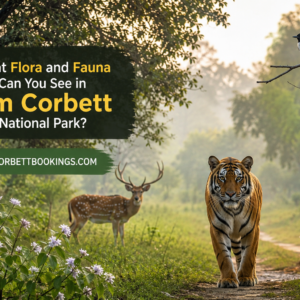
The honest truth is that a tiger sighting is never guaranteed. There are over 260 tigers in the reserve, but the forest is vast and tigers are naturally shy. That said, plenty of visitors do spot them, especially in the right zone and the right season. And even if you do not see a tiger, what you will see is remarkable enough on its own.
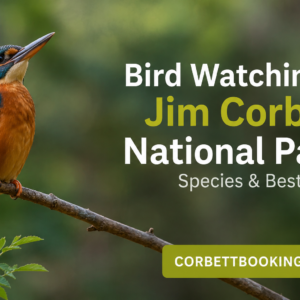
The park is home to Royal Bengal Tigers, elephants, leopards, sloth bears, deer, wild boars, jackals, crocodiles, and over 600 species of birds. The landscape itself is stunning. Dense sal forests, open grasslands, the blue shimmer of the Ramganga reservoir in the distance — it is the kind of setting that makes you forget your phone exists.
Safari Zones in Jim Corbett — Picking the Right One
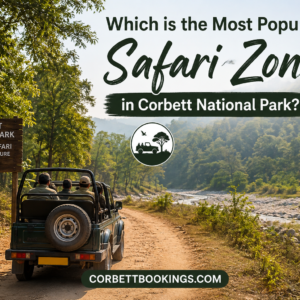
One of the most common questions visitors have is which zone to pick for their Corbett safari. The park is divided into multiple zones, each offering something different.
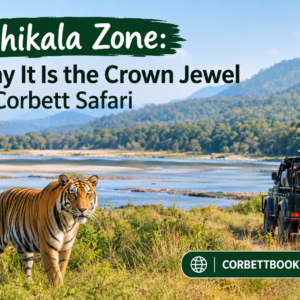
Dhikala is considered the crown jewel of Corbett. It has wide open grasslands and sits near the Ramganga reservoir, which attracts large wildlife, especially elephants. It is the best zone for tiger sightings and also the only one that allows overnight forest stays inside the park. The canter safari here runs for six hours and covers a significant stretch of forest. Dhikala remains open from mid-November to mid-June.
Bijrani feels really great for families and honestly for first-time visitors too, it’s kinda easy to enjoy. The forest is really lush and , in general, the pathways trails look scenic and kind of calming , like you can breathe a bit. You’ll also notice wildlife activity quite often, not only once in a while. It is pretty normal to spot deer, jackals, and wild boars, and sometimes big cats as well. They have jeep safari options both in the morning , and in the evening, so you can choose what fits you best.
Jhirna is the only zone open throughout the year, making it a popular choice for off-season visits. It is particularly good for bird photography and leopard sightings.
Dhela is quieter with fewer tourists, which means a more peaceful experience. Leopard sightings have been reported here too.
Durgadevi and Garjia zones are great for birding and natural landscape photography. If birds are your primary interest, these are worth exploring.
Types of Safari Available in Jim Corbett
There are three main ways to explore Jim Corbett:
Jeep safari, also called gypsy safari, is the most popular. A private jeep carries up to 6 people and goes deep into the forest tracks where larger vehicles cannot enter. It gives you the most immersive wildlife experience.
Canter safari is meant for larger groups and covers the Dhikala zone specifically. It seats up to 20 people and covers a wide stretch of the park.
Elephant safari is a unique experience offered in the buffer zones. It gives you a different angle of the forest and is particularly good for getting close to wildlife.
Best Time to Visit Corbett for Wildlife Safari
The best time to visit Jim Corbett National Park is between October and June. This window covers the peak wildlife season as well as comfortable travel weather.
March to June is considered the prime season for tiger spotting. The summer heat drives animals towards water bodies, making them easier to spot. The grass is shorter, which means better visibility in the forest.
October to February offers cool and pleasant weather. Wildlife activity remains good, and birdwatching is at its finest during these months.
The monsoon months of July to September see most zones closing down due to heavy rainfall and rough forest conditions. Jhirna remains open during this period for those who want to visit regardless.
How to Book Jim Corbett Safari Online
Safari permits in Jim Corbett are limited and fill up fast, especially during weekends and school holidays. Indian nationals are advised to book at least 30 days in advance, while foreign nationals should plan 90 days ahead.
You can book your Jim Corbett safari online. This covers gypsy safari booking, canter safari booking, and hotel and package planning from one place.
FAQs
A: Yes, for most wildlife and nature lovers, it is absolutely worth it. The scenery, biodiversity, and safari experience are all genuinely good.
A: Dhikala is considered the best zone for spotting tigers and elephants due to its open grasslands and large wildlife movement.
A: Royal Bengal Tigers, elephants, leopards, deer, wild boars, jackals, sloth bears, crocodiles, and over 600 species of birds.
A: Yes. Permits are limited, so booking at least 30 days in advance is strongly recommended, especially for peak season visits.
A: No, tiger sightings are never guaranteed. However, choosing the right zone and visiting in peak season improves your chances significantly.
A: March to June is the best period for tiger sightings. October to February is ideal for pleasant weather and birdwatching.
Conclusion
Jim Corbett National Park is not a place you visit just to tick a box. It is a place that stays with you. Whether you are driving through a sal forest at dawn listening to the jungle wake up, watching a herd of elephants graze near the Ramganga river, or sitting still while your guide reads fresh pug marks on the track — every moment feels worth it.
Is a tiger sighting guaranteed? No. Is the overall experience worth your time and money? For almost every person who visits with the right mindset, the answer is yes.
If you are planning a visit, book your safari early, choose your zone wisely, and go with the intention of experiencing the forest — not just the tiger. Everything else will take care of itself.